A Filmmaker’s Guide
to Shooting in South Korea
Our company works with local professionals to make sure you
are getting the right help throughout media production.
Permits in South Korea: What You Need to Know
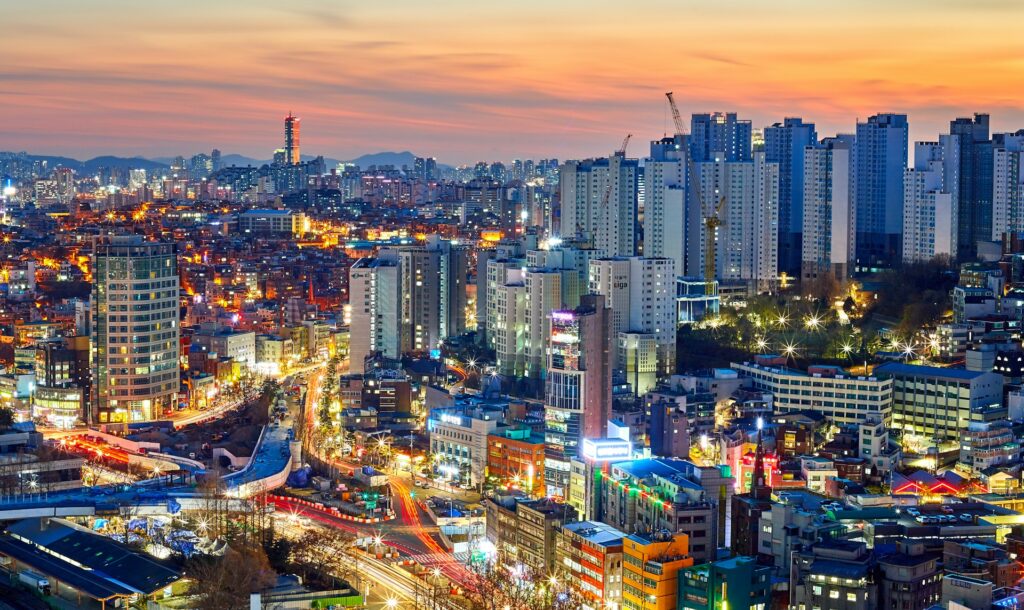
Filming in public spaces across South Korea’s capital city, Seoul, and in other major cities and regions throughout the country will require all foreign filmmakers to have the appropriate permits from the local city hall or the regional Film Korea office. As the application process for such permits is carried out in Korean, it is recommended to work with a professional local film producer, such as Storytailors South Korea.
We’ll also be able to guide you through certain conditions, such as adhering to the country’s strict privacy laws with regards to filming ordinary people, and being respectful of our cultural norms. You’ll need additional permits too if you’re using a drone for filming.
Timing Your South Korea Film Production around the Weather

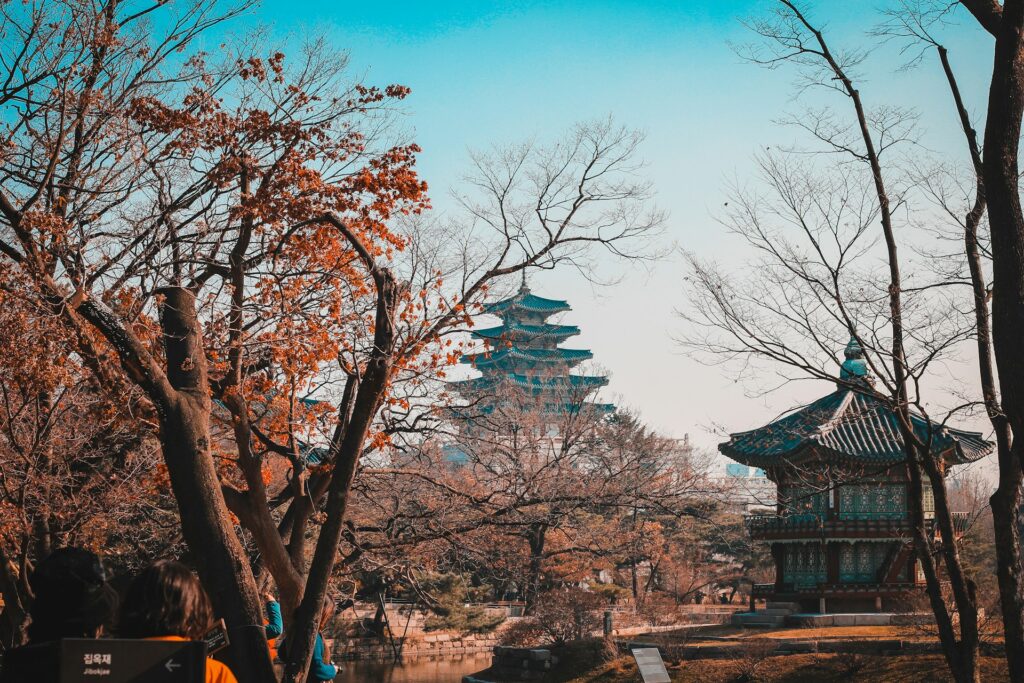
The best time to organise your video shoot in South Korea is during the spring or autumn months when the weather is temperate. Summer is typically hot and humid, with sudden monsoon rains, while winter brings its own challenges like snow and often freezing temperatures.
Planning Filming Equipment Rental & Local Crew Logistics
South Korea is an ATA Carnet country, which means that if you’re making a video here you can bring your own equipment with you. This can be a good thing as though South Korea has its own active film and TV industry (K-dramas, anyone?!), renting film equipment can be expensive.
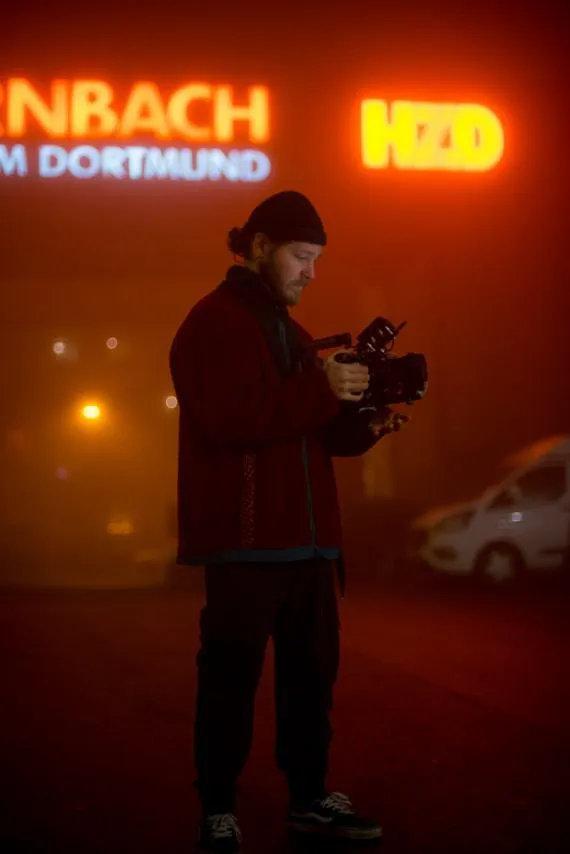
Expense is also on the table when it comes to hiring an English-speaking crew. You won’t have difficulty finding a good English-speaking team, but it’s a much sought after skill, so you will pay for it. However, if your Korean is on the poor side, it’ll definitely be worth the investment.
Frequently Asked Questions
Is it an ATA carnet country?
Yes. South Korea accepts ATA Carnets under the common TA Carnet rule system.
Is it safe for me and my team to film there?
Yes.
Do I need a visa or a work visa to film there?
Yes. It is common to need an E-6 visa, and it will cost between 30,000 to 100,000 won, depending on the project, your nationality and how long filming will take. If yours is a small, unpaid video project lasting less than 90 days, however, then you’ll likely get by on a short-term C-3 visa, which will be faster to process.
Do I need a local company to film or get visas there?
For professional shoots, the E-6 visa requires a contract with a Korean company and several supporting documents. You’ll also need to work with a film fixer to obtain your film permits.
Do I need a permit for drones?
You will need a permit for any drone over 250g. There are some strict instructions for drone users too, including flying the machine below 150 meters and making sure it doesn’t fly across airports, government buildings or military zones. Depending on where you’re filming, you might also be stopped from flying your drone at night and/or over crowds.
You must use designated flying areas such as Hangang Drone Park, and always check the MOLIT app for updated no-fly zones before you take off.
Is there a cash rebate/tax exemption or any other fiscal advantage?
Yes. South Korea offers a cash incentive to international film productions through its KOFIC Location Incentive program. Productions can receive a 25–30% rebate on eligible local spending.
The exact amount is determined by how long your shoot lasts and how much you spend there. In other words, longer shoots and higher budgets qualify for higher rebates. You might also be able to get more financial support from local film commissions.
Can I shoot in a national park and, if so, under what circumstances?
Yes, but again, you will need a local film fixer like Storytailors South Korea. We’ll handle the permit applications and coordinate with local park offices or residents, as most prefer not to communicate directly in English with foreign filmmakers. filmmakers.
Working with Fixer South Korea
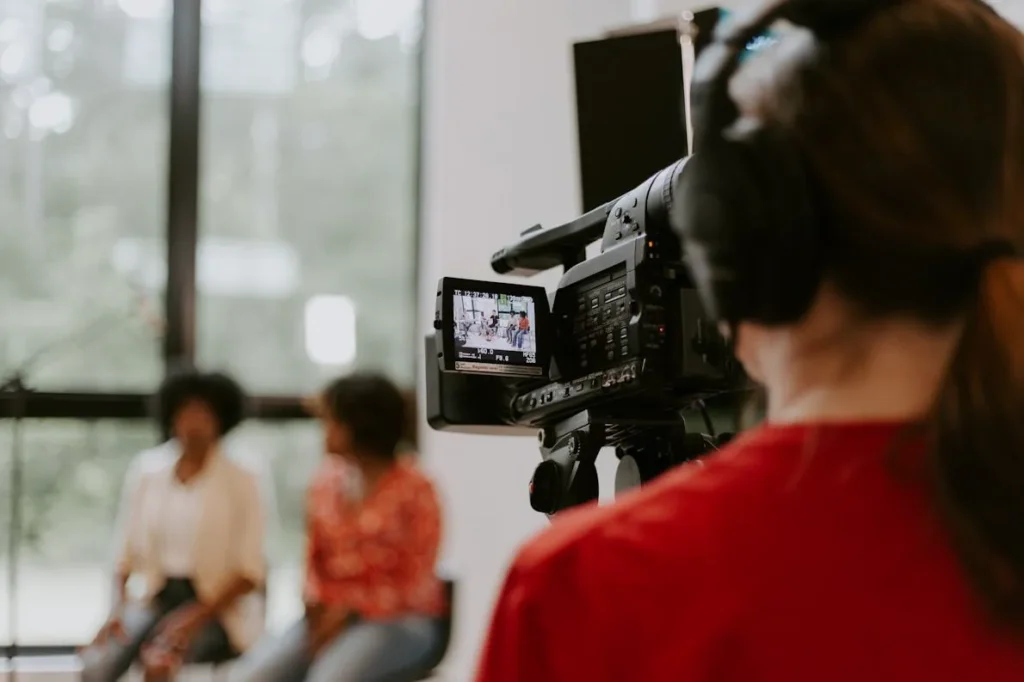
As a leading film fixer in South Korea, we offer a complete range of production services from pre-production planning to on-the-ground support and post-production editing.
Our reputation speaks for itself and has led us to work with numerous incredible clients, including FIFA, Oracle, Singapore Airlines, Aramco, Watcher Entertainment, Sky Arte, and many more.